The best basketball training equipment for youth players is a correct-size outdoor basketball, cones, a defender dummy, and a basketball return system. Those basics create more useful reps: more game-speed shots, cleaner dribbles, better footwork, and fewer wasted minutes chasing the ball.
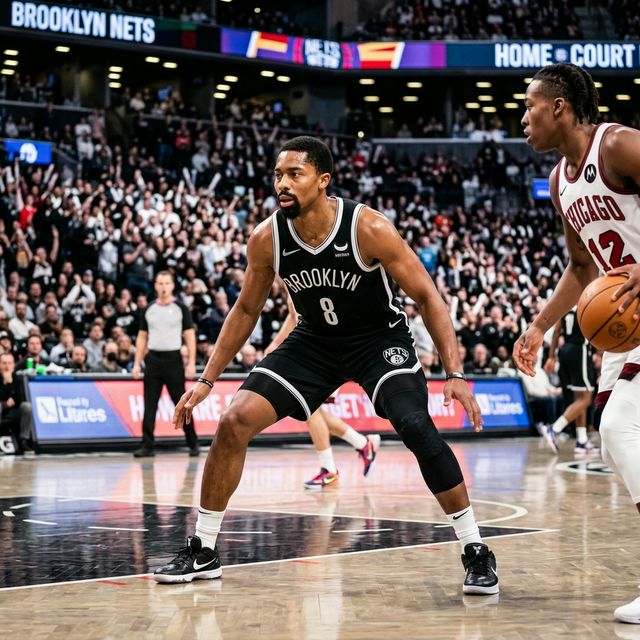
Start with equipment that creates repeatable reps before buying smart gadgets. Smart basketball tech can help serious players, but it should come after the basics are already part of the routine.
This guide ranks basketball training gear by skill goal, age, budget, and home setup. As a result, parents can buy the next useful piece instead of a closet full of gimmicks.
Basketball training equipment is any tool that helps a player repeat a specific skill with better quality, more volume, or clearer feedback.
Best Basketball Training Gear: Quick Picks
| Pick | Best for | Why it helps |
|---|---|---|
| Quality outdoor basketball | Every player | Proper grip and bounce make every drill better |
| SKLZ D-Man Defender | Shooting over contests | Teaches arc, release height, and confidence |
| Cone set | Ball handling and footwork | Cheap, versatile, and useful for daily drills |
| Basketball return system | Solo shooting volume | Reduces chasing rebounds and increases attempts |
| Door mini hoop | Younger indoor players | Keeps touch and coordination active in bad weather |
| Shot-tracking app | Older disciplined players | Adds make-rate feedback without extra hardware |
| Adjustable driveway hoop | Families building a setup | Grows with players and supports real practice |
Best Basketball Training Equipment by Skill Goal
| Skill goal | First equipment to buy | Upgrade later |
|---|---|---|
| Shooting form | Correct-size ball, defender dummy | Return system or shot tracker |
| Ball handling | Cones, flat markers | Video review tripod |
| Solo shot volume | Hoop-mounted return system | Automatic rebounder or passing machine |
| Younger-player confidence | Mini hoop, size 5 ball | Adjustable driveway hoop |
| Complete driveway setup | Stable adjustable hoop | Return net, shooting spots, smart tracker |
What to Buy First
The first purchase should be the boring one: the right basketball.
Younger players need the correct size and weight. Wilson’s basketball size chart lists size 5 for age 8 and under, size 6 for age 9 and up youth/women’s play, and size 7 for age 12 and up men’s play. Spalding’s guide similarly lists size 7 as the full 29.5-inch ball, size 6 as the 28.5-inch intermediate ball, and size 5 as the 27.5-inch youth ball. Using a ball that is too large can train poor shooting mechanics because the player has to heave from the shoulder instead of shooting with proper rhythm.
After the ball, buy cones. They are cheap, portable, and useful for dribbling, change-of-direction, closeout, and footwork drills. SKLZ lists its agility cones as a 20-cone set with multiple high-visibility colors and a carry rack. That is enough for most home ball-handling and footwork setups. In practice, a player who can run five focused cone drills every week will usually get more value than a player with one expensive gadget and no routine.
Shop Wilson youth outdoor basketballs on Amazon
Shop SKLZ basketball training cones on Amazon
1. Defender Dummy: Best Shooting Aid for Most Families
A defender dummy is a portable practice defender that gives shooters a visible contest without needing another player. It is one of the most useful basketball training aids because it solves a real skill gap. Many young players can make open driveway shots but rush, flatten, or fade away when a defender contests them.
The SKLZ D-Man style defender gives the shooter a visual target to shoot over. Current SKLZ and retailer specs describe it as a portable hands-up defender with an adjustable height range from 6.5 to 8 feet, a weighted base, and quick setup. It encourages higher arc, better balance, and a release that clears outstretched arms. It also works for finishing drills around the rim when players need to learn body control instead of just taking uncontested layups.
Use it for:
- Catch-and-shoot reps from both wings.
- Pull-up jumpers after one or two dribbles.
- Finishing around the rim with a visible contest.
- Free-throw routine practice with a distraction in view.
The main limitation is wind. Lightweight defender dummies can tip outdoors, so use them on calm days or add weight to the base if the product supports it.
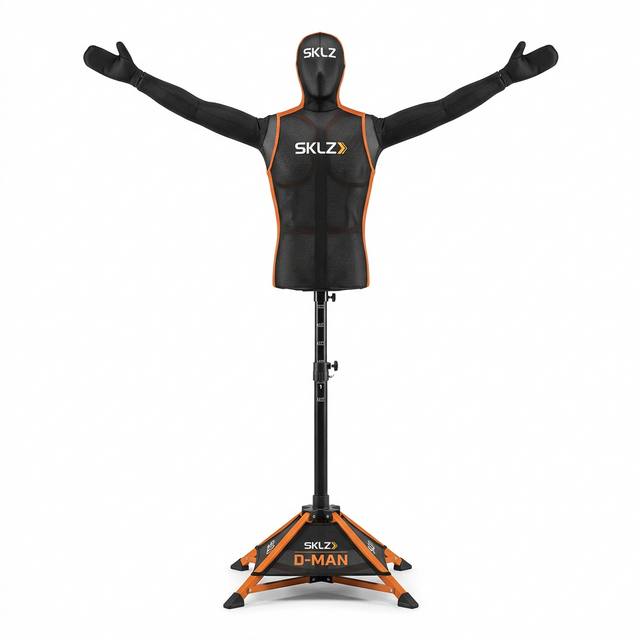 Best Value
 SKLZ
SKLZ D-Man Defensive Mannequin
Best first shooting aid for learning arc and finishing over a contest
2. Basketball Return System: Best for Solo Shot Volume
A basketball return system is a hoop attachment, net, or machine that sends the ball back toward the shooter after a make or miss. It is worth it when the player already practices alone. The value is not magic shooting correction. The value is volume. If a return system helps a player take 150 focused shots instead of 60 scattered shots, it can change practice quality.
There are two practical types.
Hoop-mounted return chutes are cheaper and easier for families. They send made shots, and sometimes rim/backboard misses, back toward the shooter. By contrast, automatic rebounder/passer systems are more expensive and better for teams, facilities, or highly committed players.
For most families, start with a return system only after the player has a repeatable practice plan. Our basketball return systems guide covers that decision in more detail, and our standalone rebounder net guide explains pass-back nets for players who need passing and footwork reps too.
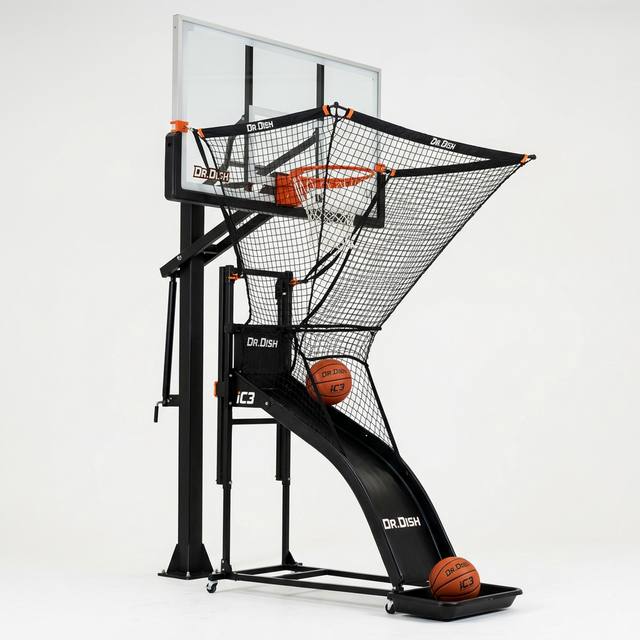 Best Return System
 Dr. Dish
Dr. Dish iC3 Shot Trainer
High-volume return system for serious solo shooting sessions
Shop basketball return systems on Amazon
3. Mini Hoop: Best Indoor Option for Younger Players
A door-mounted mini hoop will not replace real shooting practice, but it keeps younger players engaged when weather or daylight blocks driveway time. It helps coordination, touch, and general comfort around a basketball.
The key is expectation. Mini hoops are for fun, hand-eye coordination, and indoor movement. SKLZ lists the over-the-door Pro Mini Hoop with a break-away rim, clear shatter-resistant backboard, and rubber mini ball. The separate freestanding Pro Mini Hoop System adjusts from 3.5 to 7 feet. Both are useful for engagement and coordination, not regulation shooting mechanics.
For ages 6 to 10, that is fine. The goal is more touches, more enjoyment, and more reasons to move.
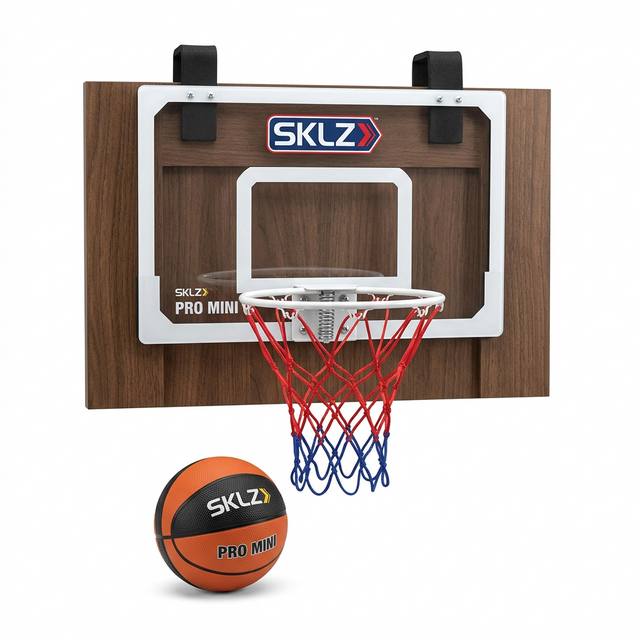 Best Indoor
 SKLZ
SKLZ Pro Mini Basketball Hoop
Good indoor option for younger players when outdoor practice is not realistic
4. Shot Tracking Apps and Smart Basketball Tech
Shot tracking is useful only when the player is mature enough to act on the feedback. Counting makes and attempts can improve practice because it turns “I shot around” into “I made 31 of 75 from five spots.”
For many families, a phone app or simple notebook is enough. Older players can use shot-tracking apps, video analysis, or smart ball tools if they already train consistently. The data should answer a specific question: Are corner threes improving? Is free-throw percentage stable when tired? Does the player miss short after conditioning?
Avoid buying sensors for young players who do not yet have basic form, a routine, or the patience to review data. For more advanced options, see our smart basketball training aids and basketball shot trackers guides.
5. Adjustable Hoop: Best Long-Term Backyard Investment
If your family is building a basketball setup from scratch, the adjustable hoop matters more than most accessories. A hoop that adjusts smoothly from youth height to regulation height lets younger players practice with proper mechanics instead of launching at a rim that is too high.
A driveway hoop also changes which training gear makes sense. A return system, shooting spots, cones, and defender dummy all become more useful when the hoop is stable and the playing area is safe.
For driveway buying details, compare our best adjustable basketball hoop guide and 50 vs 54 inch backboard guide.
Age-by-Age Buying Plan
Ages 6 to 9
Keep it fun. Buy the right ball size, a mini hoop, and cones. Lower the hoop if possible so the player can shoot without throwing from the chest or shoulder.
Best gear:
- Size-appropriate basketball.
- Mini hoop.
- Cones.
- Adjustable hoop lowered to youth height.
Skip expensive analytics and shooting machines at this stage.
Ages 10 to 13
This is the best age for practical training gear. Players can understand drills, but they still need variety and confidence.
Best gear:
- Outdoor basketball.
- Cones.
- Defender dummy.
- Basic return system if they practice alone.
- Simple make/miss tracking.
This is also when parents should correct the biggest mistake: using adult equipment too early. A hoop that is too high and a ball that is too heavy can build bad shooting habits.
Ages 14 to 18
Teen players benefit from more specific tools. If they already have a routine, a return system, shot-tracking app, smart basketball tool, or video analysis setup can help.
Best gear:
- Return system for high-volume shooting.
- Defender dummy for contested reps.
- Phone tripod for video review.
- Shot tracking for free throws and game spots.
- Strength and agility tools that support basketball movement.
For broader athletic development, pair basketball skill gear with agility training equipment and recovery basics from our youth athlete recovery tools guide.
How We Tested and Compared
We evaluated basketball training equipment by whether it improves ordinary weekly practice, not by how impressive it looks in a product photo.
- Rep creation: does it create more useful shots, dribbles, passes, or footwork reps?
- Age fit: does the tool match the player’s size, attention span, and current skill level?
- Setup friction: can a parent or player use it in under five minutes?
- Driveway reality: does it work with a normal hoop, concrete/asphalt surface, and limited storage?
- Upgrade path: does it stay useful after the player improves?
The best tools here are intentionally boring. A ball, cones, defender dummy, and return system create measurable practice volume before a family spends money on smart sensors.
That is why this list separates first buys from upgrades. A player who needs better handles should not start with a shooting machine, and a player who already takes 150 solo shots per week may outgrow cones-only practice quickly.
What to Skip
Skip anything that promises instant shooting form. Straps, rigid guides, and novelty gadgets can make a player dependent on the device instead of teaching balance, footwork, and repeatable mechanics.
Also skip expensive tools before the player has a routine. A premium gadget cannot fix a player who practices once every two weeks. Consistency is the multiplier.
The best low-cost alternative is a simple chart:
| Drill | Attempts | Goal |
|---|---|---|
| Form shots close to rim | 25 | Smooth release |
| Five-spot midrange | 50 | Track makes |
| Free throws | 25 | Same routine |
| Cone dribble into shot | 30 | Game-speed footwork |
| Weak-hand layups | 20 | No dominant-hand cheat |
Best Starter Bundle on a Moderate Budget
For most families, the best basketball training gear starter bundle is:
- Quality outdoor basketball.
- Cone set.
- SKLZ D-Man or similar defender dummy.
- Door mini hoop for younger players, or a phone tripod for teens.
- Proper basketball shoes if the player is moving from casual driveway play into harder cuts and longer workouts.
That setup covers shooting form, ball handling, indoor touches, and basic video feedback. Add a return system later when the player is already taking enough shots for extra volume to matter.
FAQ
What is the best basketball training equipment?
The best basketball training equipment for most youth players is a correct-size basketball, cones, a defender dummy, and a return system once the player practices alone. Those tools build useful reps before expensive smart gear.
What is the best basketball training gear for youth players?
The best basketball training gear for most youth players is a quality outdoor ball, cones, and one skill-specific tool such as a defender dummy or basketball return system. Buy based on the skill gap, not the most impressive gadget.
What basketball training equipment should parents buy first?
Buy the correct ball size first, then cones, then a defender dummy or return system. Do not buy expensive shot trackers until the player already practices consistently.
Is a basketball return system worth it?
A basketball return system is worth it for players who practice alone and need more shot volume. It is less useful for casual young players who still need basic form, footwork, and routine.
What basketball gear helps shooting the most?
Gear that increases quality repetitions helps shooting the most: return systems, defender dummies, shooting spots, and make/miss tracking. The gear should support proper mechanics instead of forcing an unnatural motion.
More Basketball & Training Resources
- Basketball Shooting Drills Equipment for Youth
- Best Adjustable Basketball Hoops for Driveways
- Basketball Return Systems Guide
- Smart Basketball Training Aids
- Best Backyard Sports Equipment for Kids
Sources
How we evaluate: We combine hands-on use (when available), manufacturer documentation, independent user feedback, and parent-focused criteria like safety, durability, ease of use, and long-term value.
Accuracy note: Pricing and product availability can change. Verify details on the retailer site before purchase.
Affiliate Disclosure: Sports Gadget Review is a participant in the Amazon Services LLC Associates Program. When you purchase through links on this page, we may earn a commission at no extra cost to you. Editorial recommendations are made independently.