 safety-tech
 Garmin
Garmin HRM-Fit
+ Clip-on design (no chest strap)
Current Amazon price
Check Price on Amazon
Concussion sensors, heart rate monitors, and impact detection technology to help keep your young athlete safe on the field.
safety-tech Garmin
+ Clip-on design (no chest strap)
 safety-tech
 Guardian
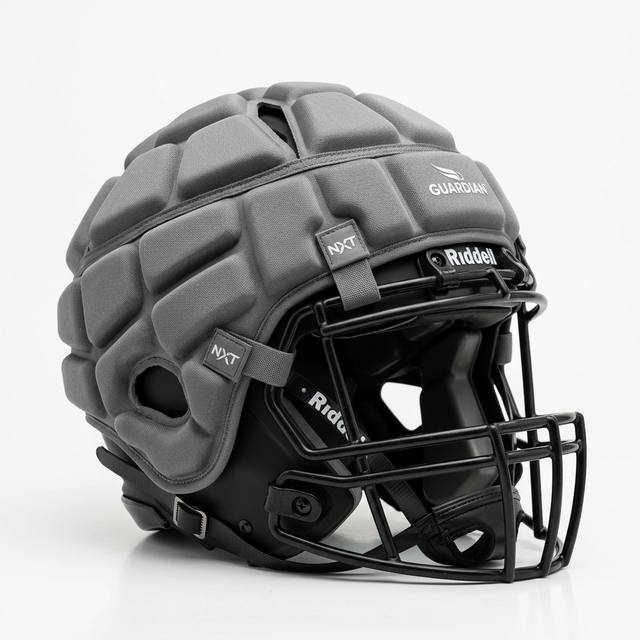
+ Reduces impact force by up to 33%
 safety-tech
 Polar
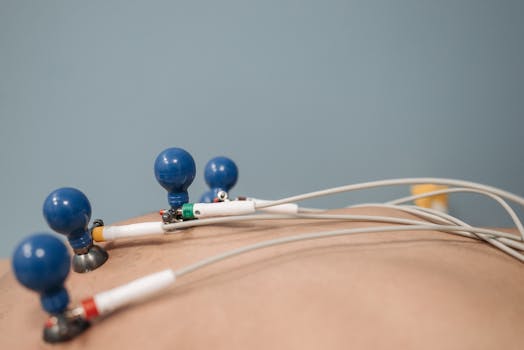
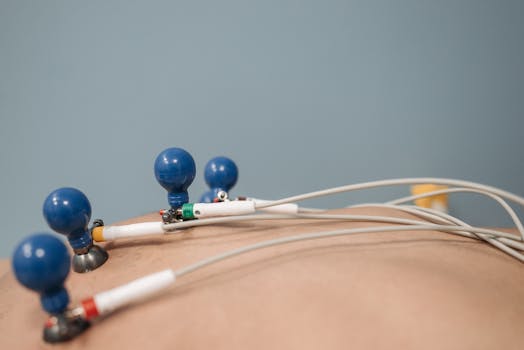
+ Most accurate heart rate monitor available
 safety-tech
 Therabody
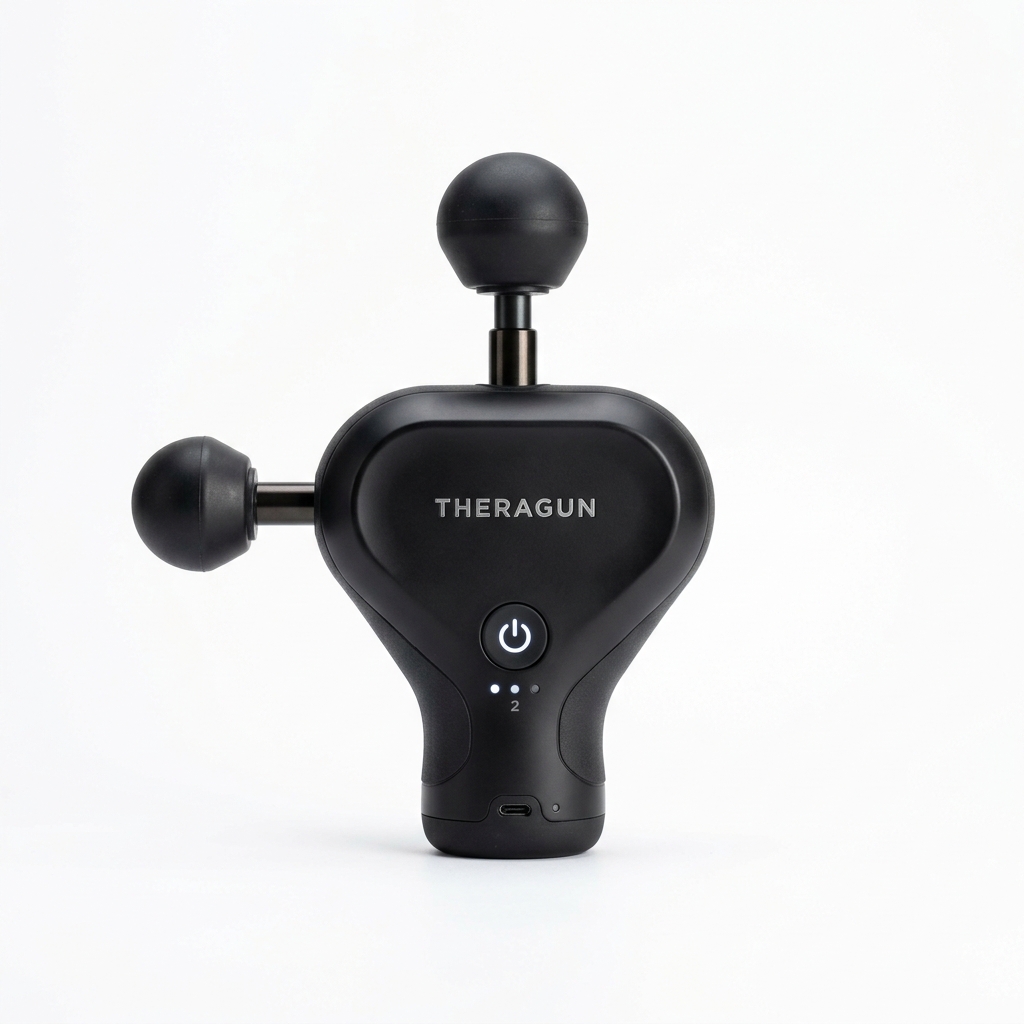
+ Ultra-compact design fits in a gym bag or sports backpack
 safety-tech
 Wahoo
+ Comfortable and lightweight
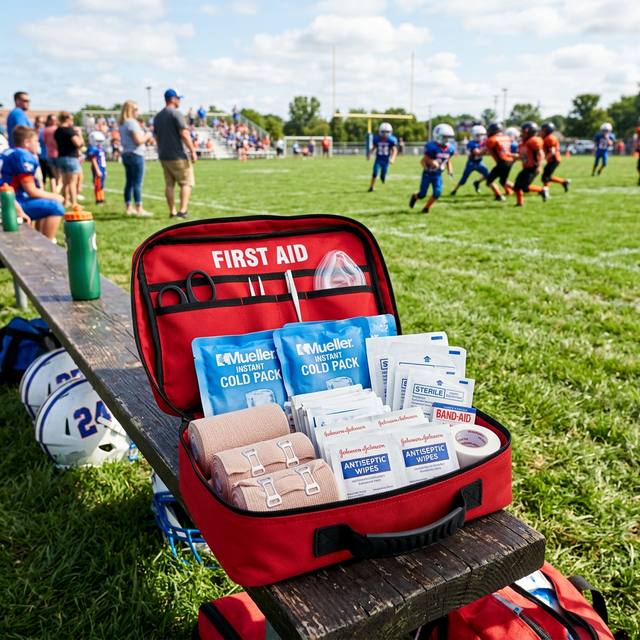
The best sideline first aid kits for youth sports teams, what coaches and parents need to handle sprains, cuts, and heat emergencies on the field.
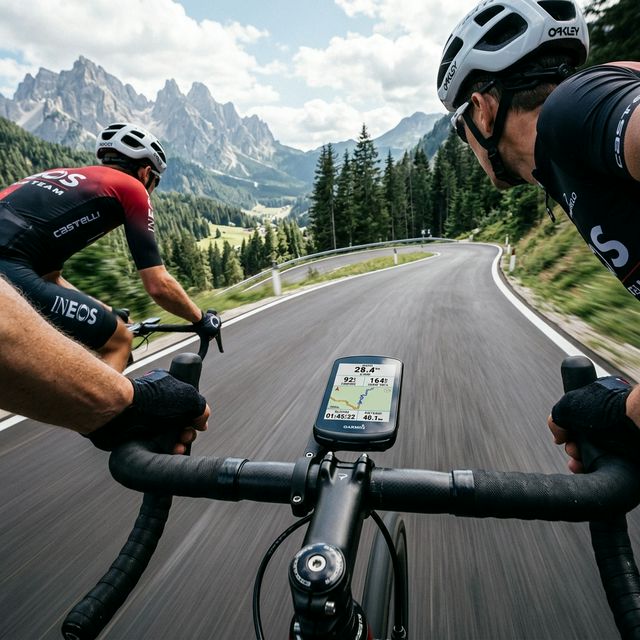
MIPS helmets, cycling computers, and safety gear for youth cyclists and BMX riders. What actually protects young riders in 2026.
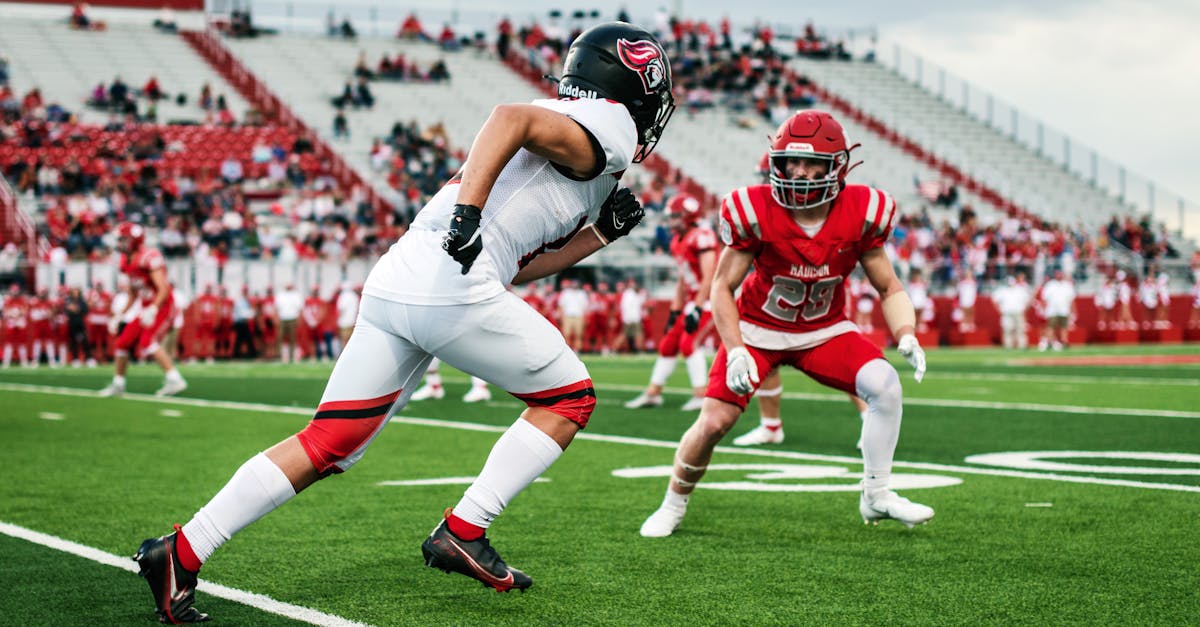
Football helmets with impact sensors, concussion monitoring, and fit-check technology. What parents and coaches should know before buying.
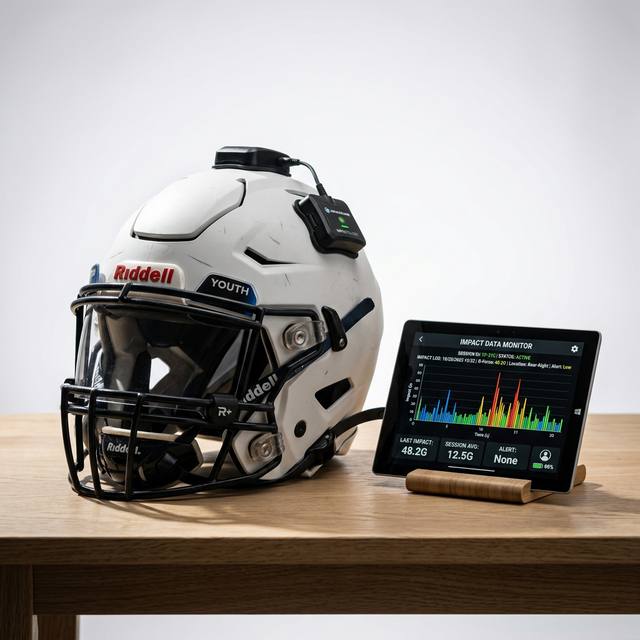
5 youth helmet impact sensors tested and rated — Riddell InSite, Prevent Biometrics, and more. What the data shows, what's worth buying, and what to skip.
Concussion sensors and impact detection devices are monitoring tools, not diagnostic equipment. They do not prevent concussions and cannot diagnose head injuries. Always consult a medical professional after any significant impact. Proper coaching, quality equipment, and following safety protocols remain the best protection for young athletes.
These devices attach to helmets and measure impact forces during play. They alert parents and coaches to potentially significant hits, but they cannot diagnose concussions. Use them as one tool in a comprehensive approach to head safety.
Tracking heart rate helps young athletes train in appropriate intensity zones and avoid overtraining. Chest straps are most accurate; optical sensors in watches are more convenient but less precise during intense exercise.