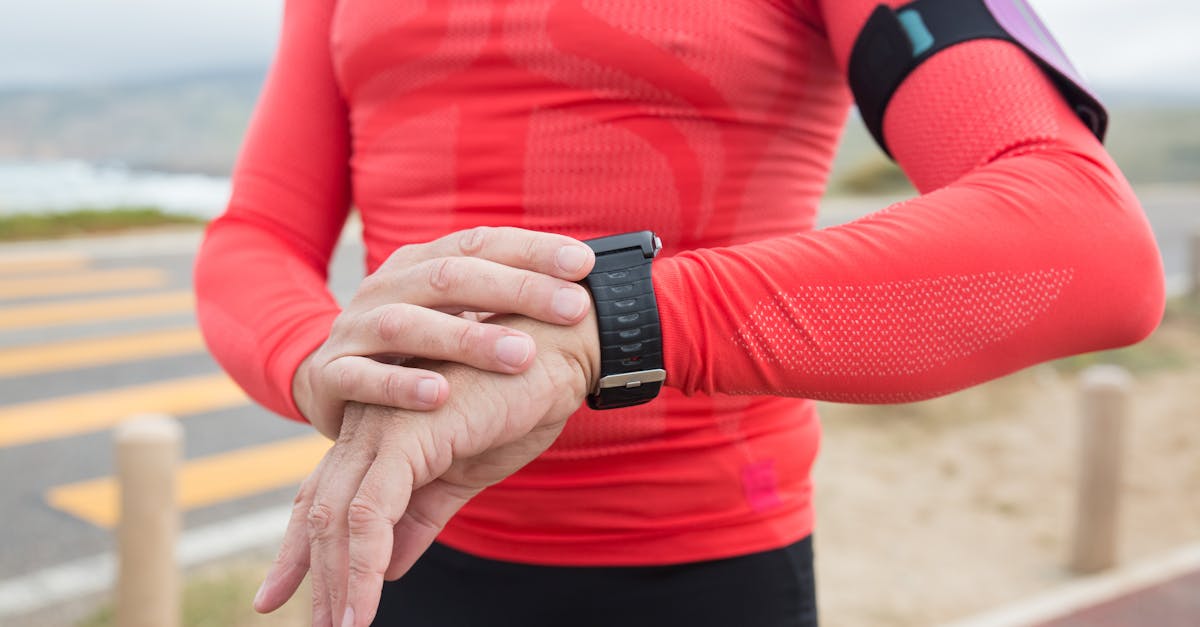
You do not need a barometric altimeter in a running watch for normal road runs, treadmill sessions, track workouts, or flat neighborhood mileage. You do want one if you care about elevation gain, trail running, hilly race pacing, hiking, ultra training, or comparing ascent from week to week.
The simple rule: buy GPS first for distance and pace, then buy a barometric altimeter if vertical data matters. A watch can have excellent GPS and still produce messy elevation gain if it relies mostly on satellite altitude or app correction.
Quick Answer
| Runner type | Barometric altimeter needed? | Why |
|---|---|---|
| Road runner on mostly flat routes | No | Pace, distance, workout structure, and battery matter more |
| Beginner 5K/10K runner | No | GPS distance and easy controls are the higher-value features |
| High school cross-country runner | Sometimes | Useful on hilly or wooded courses, less important on flat meets |
| Trail runner | Yes | Better ascent/descent tracking than GPS-only elevation |
| Marathon runner on rolling courses | Nice to have | Helps training logs and hill pacing, but not essential |
| Ultra runner or mountain runner | Yes | Elevation gain is a core training metric |
| Hiker who also runs | Yes | Altitude, ascent, descent, and storm-pressure awareness matter more |
| Smartwatch-first runner | Sometimes | Consider Apple Watch Ultra-class hardware if GPS and outdoor tools matter |
If your current problem is bad ascent totals on a watch you already own, start with our GPS watch elevation fix guide. If your route maps are wrong near buildings or trees, read the dual-band GPS accuracy guide too. Different sensor, different problem.
What a Barometric Altimeter Actually Does
A barometric altimeter estimates elevation from air pressure. As you climb, air pressure generally drops. As you descend, pressure generally rises. The watch uses that pressure change to estimate altitude, ascent, and descent.
That is different from GPS elevation. GPS can estimate your three-dimensional position from satellites, but vertical accuracy is usually noisier than horizontal route accuracy. That is why a GPS-only watch may draw a decent route map while still reporting odd climb totals.
Most good running watches do not use the barometer in isolation. Garmin describes current Forerunner altimeter/barometer behavior as continuous elevation and pressure collection, with elevation based on pressure changes. COROS says the PACE 3 includes a barometric altimeter, and its support materials explain that GPS and barometer data can work together. Polar describes barometer-based altitude as an atmospheric pressure sensor converting pressure into altitude.
In runner language: a barometer gives the watch a better feel for vertical change during the workout, while GPS and maps help anchor or correct the estimate.
When You Can Skip It
Skip the barometric altimeter if your training does not depend on climbing data.
For a beginner runner, a cheaper watch with reliable GPS, clear pace screens, good battery life, and simple workouts can be the better buy. If you run the same flat routes most days, a GPS-only watch will still tell you distance, pace, splits, cadence, heart rate, and training time. That is enough for most 5K, 10K, and general fitness runners.
You can also skip it if your main use is gym training, treadmill running, basketball conditioning, soccer practices, or general step/activity tracking. Indoor and court-sport workouts do not benefit much from an elevation sensor.
For budget options, use our budget GPS running watch guide. Just know that budget watches may lean more on GPS elevation or app-based correction, so weekly climb totals can be less consistent.
When It Is Worth Paying For
A barometric altimeter becomes worth it when elevation gain is part of the training decision.
Trail running
Trail runs often include short climbs, switchbacks, tree cover, and rolling terrain. GPS distance can be acceptable while elevation gain jumps around. A barometric altimeter usually gives a more useful ascent/descent profile, especially when you calibrate before the run.
Hilly road training
If you compare hill-repeat sessions or track weekly climb during marathon training, a barometer helps make those totals more repeatable. You do not need mountain-watch hardware for a rolling road marathon, but the sensor is useful.
Ultra and mountain races
For ultras, ascent is not trivia. It affects pacing, fueling, course planning, and how tired your legs will feel. If a race has 6,000 feet of climbing, you want a watch that treats elevation as a first-class metric.
Hiking and mixed outdoor use
Runners who also hike, backpack, ski, or mountain bike should prioritize a barometric altimeter. You will care about current altitude, climb rate, descent, and sometimes pressure trends outside a normal run screen.
Barometer vs Dual-Band GPS
This is the buying decision that trips people up.
Dual-band GPS helps the watch place you on the map more accurately in hard GPS environments: downtown streets, dense trees, mountains, cliffs, and bridges. A barometric altimeter helps the watch estimate vertical change from air pressure.
| Problem you notice | Feature to prioritize |
|---|---|
| Route line cuts corners or jumps streets | Dual-band GPS |
| Instant pace is poor under trees or buildings | Dual-band GPS or a foot pod |
| Total elevation gain looks wrong | Barometric altimeter plus calibration |
| Start elevation is wrong but hills look right | Manual or auto altimeter calibration |
| Apps disagree on ascent | Consistent elevation source and correction settings |
| Track workouts are inaccurate | Track mode, calibration, or a foot pod |
The best trail and city-running watches often have both. But if you have to choose, solve the problem you actually have. For bad route tracks, prioritize GPS. For bad climbing totals, prioritize the altimeter.
The Catch: Barometers Need Care
A barometric altimeter is not automatically perfect. It can drift when weather pressure changes. It can be thrown off by a blocked sensor port. It can start from the wrong elevation if you do not calibrate it.
Use these habits:
- Calibrate elevation before important hilly runs, trail races, and hikes.
- Start outdoors with a clean GPS lock when auto-calibration uses satellites.
- Rinse sweat, sunscreen, mud, and salt from the watch after dirty or wet workouts.
- Let the watch dry before judging elevation after swimming, rain, or washing.
- Compare repeatable routes over time instead of obsessing over one odd file.
If your watch has a barometer and still reports nonsense, the issue may be calibration, blocked ports, app correction, or a failing sensor rather than the feature itself.
What to Look for When Buying
Do not buy a running watch only because the spec sheet says “altimeter.” Look for the whole elevation package.
| Feature | Why it matters |
|---|---|
| Barometric altimeter | Better ascent/descent tracking than GPS-only elevation |
| Manual calibration | Lets you set a known starting elevation before key workouts |
| Auto calibration | Helps the watch correct pressure drift with GPS or map data |
| Dual-band or strong multi-GNSS | Keeps the route line cleaner in trees, cities, and mountains |
| Long GPS battery life | Lets you use the accurate modes for long trail days |
| Good buttons | Easier than touchscreen-only controls in rain, cold, and races |
| App elevation correction | Helpful when a single workout records bad data |
For most runners, the sweet spot is a watch with a barometric altimeter, dependable GPS, comfortable fit, and enough battery for your longest week. Maps, music, LTE, and premium materials are secondary unless you know you will use them.
Watches to Compare
These are starting points, not a lab ranking for this article. Amazon availability changes constantly, so the boxes hide static prices.
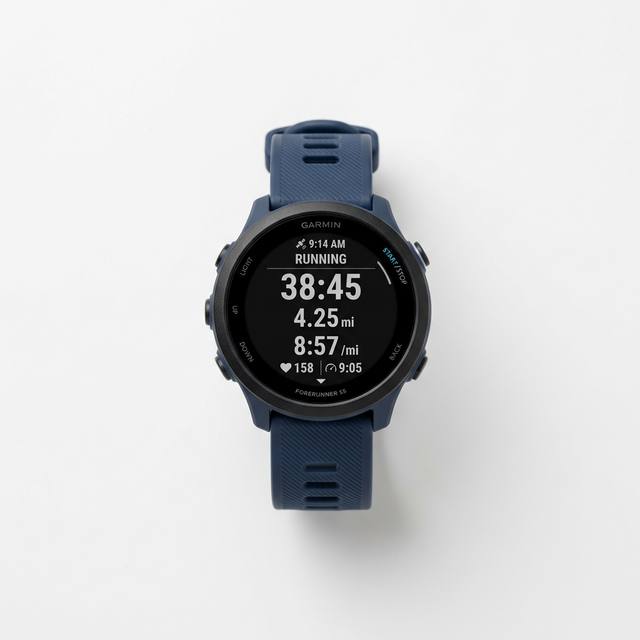
Best Value Elevation Pick: Garmin Forerunner 165
The Forerunner 165 is the practical step-up answer for runners who want Garmin training tools and a barometric altimeter without jumping into premium pricing. Garmin’s Forerunner 165 product family sits below the more advanced multi-band models, so choose it for road running, moderate hills, and basic trail use rather than city-marathon GPS perfection.
 Value Pick
 Garmin
Garmin Forerunner 165
A strong value Garmin with a barometric altimeter, AMOLED display, and enough running features for most road and light-trail runners.
Best Balance for Serious Runners: Garmin Forerunner 265
The Forerunner 265 class is the safer pick if you want both a barometric altimeter and multi-band GNSS. That combination matters for runners who split time between roads, trails, city races, and wooded routes.
 Runner Pick
 Garmin
Garmin Forerunner 265
Pairs barometric elevation tracking with multi-band GNSS and Garmin's deeper training metrics.
Best Battery Value: COROS PACE 3
COROS lists the PACE 3 with a barometric altimeter and dual-frequency GPS, which makes it compelling for runners who want light weight, long battery life, and clean workout recording without paying for a larger smartwatch ecosystem.
 Battery Value
 COROS
COROS PACE 3
Lightweight running watch with barometric elevation, dual-frequency GPS, and strong battery life.
Premium Smartwatch Route: Apple Watch Ultra 3
If you want a smartwatch first and a sports watch second, Apple Watch Ultra 3 is the current Apple model to compare. Apple lists L1 and L5 precision dual-frequency GPS on Ultra 3 technical specs, and the Ultra line includes an always-on altimeter. The tradeoff is charging rhythm and training-platform depth: it is a powerful everyday watch, but many dedicated runners still prefer Garmin, COROS, or Polar for buttons, battery, and training analysis.
Bottom Line
Most runners do not need to make a barometric altimeter their first buying requirement. New road runners should prioritize comfort, GPS distance, battery life, easy controls, and a training ecosystem they will actually use.
But if you run hills or trails often, the feature is worth having. It makes elevation gain more useful, helps compare workouts over time, and reduces the weird ascent numbers that GPS-only devices can create. The best answer for many runners is not “barometer or dual-band GPS.” It is a watch that gives you both without compromising fit or battery.
For broader buying help, compare our best GPS watches for runners, Garmin vs Apple Watch for runners, and running watch vs smartwatch guide.
FAQ
Is a barometric altimeter more accurate than GPS elevation?
Usually for ascent and descent during a run, yes. A barometric altimeter tracks pressure changes, which tends to be more useful for vertical gain than raw GPS elevation. It still needs calibration and can drift with weather or blocked sensor ports.
Do I need a barometric altimeter for road running?
Not if most of your routes are flat or gently rolling. For normal road training, distance, pace, heart rate, battery life, and training tools matter more. It becomes useful if hill volume is part of your training log.
Does dual-band GPS replace a barometric altimeter?
No. Dual-band GPS improves route positioning in difficult signal environments. A barometric altimeter improves elevation gain and altitude tracking. The best outdoor running watches often include both.
Why does my watch with a barometer still show wrong elevation?
Common causes include poor calibration, fast weather-pressure changes, a blocked pressure port, water or sweat residue near the sensor, and app-based elevation correction changing the uploaded file.
Should teen cross-country runners pay extra for a barometric altimeter?
Sometimes. It is useful for wooded, hilly cross-country courses and trail training. For beginners on flat courses, comfort, battery life, simple controls, and reliable GPS are more important.
Sources Checked
- Garmin Support: Understanding How the Barometric Altimeter Sensor Works
- Garmin Support: Elevation Accuracy of Outdoor and Fitness Devices With Barometric Altimeters
- Garmin Forerunner 265 Owner’s Manual: Altimeter and Barometer
- Garmin Forerunner 570 Owner’s Manual: Altimeter and Barometer
- COROS PACE 3 official product page
- COROS PACE 3 technical specifications
- Polar Support: Barometer
- Apple Watch Ultra 3 technical specifications
How we evaluate: We combine manufacturer documentation, independent user feedback, and parent-focused criteria like safety, durability, ease of use, and long-term value.
Accuracy note: Pricing and product availability can change. Verify details on the retailer site before purchase.
Affiliate Disclosure: Sports Gadget Review is a participant in the Amazon Services LLC Associates Program. When you purchase through links on this page, we may earn a commission at no extra cost to you. Editorial recommendations are made independently.