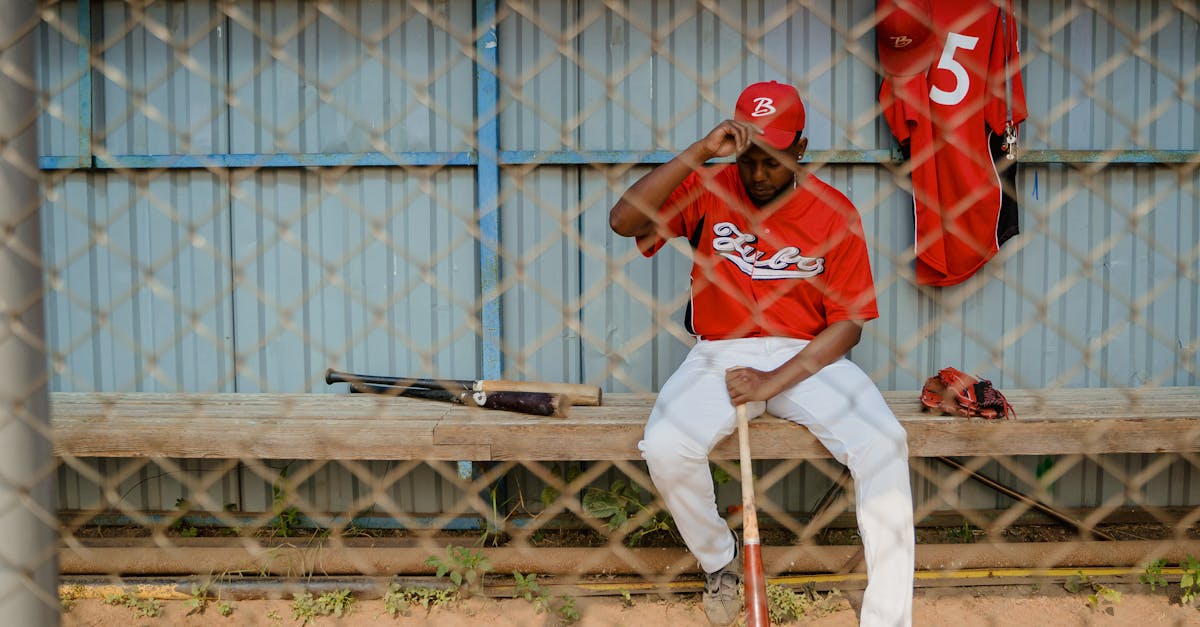
A pitching machine is the single biggest upgrade you can make to your kid’s at-home batting practice. The difference between a parent lobbing underhand tosses and a machine delivering consistent strikes at a predictable speed is enormous — and it shows up in game performance fast.
We’ve been testing pitching machines with youth players for three seasons now, and the market has never been better. Machines that cost $500 two years ago now sell for $300, and the budget segment has genuinely good options under $100 that would have been laughable five years ago.
Here’s our complete buyer’s guide, organized by budget so you can jump straight to your price range.
Quick Verdict / TL;DR: The Louisville Slugger UPM 45 Blue Flame ($199 at Dick’s Sporting Goods) is the best overall value — it throws real baseballs, adjusts from 18-45 mph, and requires zero electricity. On a tight budget, the SKLZ Lightning Bolt ($59 at Amazon) is perfect for players under 10. For serious development, the Hack Attack Junior ($499 at Baseball Monkey) throws three pitch types and prepares hitters for competitive play.
How We Test Pitching Machines
We evaluate every machine across seven criteria:
- Speed accuracy: We measured actual pitch speed against advertised speed using a Stalker radar gun across 100 pitches per machine
- Consistency: How much speed and location varied between pitches (standard deviation measured)
- Setup time: From box to first pitch, timed by a parent working alone
- Portability: Weight, dimensions, and ability to transport to different practice locations
- Noise level: Measured in decibels at 20 feet (important for backyard use)
- Power source: Battery, hand-crank, or plug-in, and associated costs/limitations
- Youth-friendly speed range: Whether the machine can throw slow enough for 7-8 year olds (25-30 mph)
Budget Tier: Under $100
SKLZ Lightning Bolt — Best Entry-Level Machine ($59)
The Lightning Bolt is where most families start, and it’s a surprisingly effective tool for players ages 6-10. It uses lightweight plastic balls (included) and throws them at approximately 25-35 mph with a slight curve — just enough movement to develop pitch tracking skills.
The automatic ball feeder holds 26 balls, which translates to about 10-12 minutes of continuous batting before reloading. For a young player’s attention span, that’s actually perfect.
What it does well: The soft balls virtually eliminate fear in younger hitters who might be intimidated by hard baseballs. Multiple kids in our testing group who were reluctant to step into the box against live pitching had zero hesitation against the Lightning Bolt.
Limitations: It only works with the proprietary soft balls (you can’t feed it real baseballs), and the balls can drift badly in wind. This is fundamentally a backyard and garage machine.
Speed range: 25-35 mph (plastic balls) Power source: 4x C batteries or AC adapter (sold separately) Weight: 12 lbs Setup time: Under 5 minutes
Where to buy: Amazon — $59.99 | Dick’s Sporting Goods — $59.99
Pros:
- Perfect introduction to machine-pitch hitting
- Soft balls eliminate fear factor
- Auto-feeder provides continuous practice
- Extremely portable and lightweight
Cons:
- Only works with proprietary plastic balls
- Wind dramatically affects ball flight
- Not powerful enough for players over 10
- Battery-powered model eats through C batteries
Franklin Sports MLB Pitching Machine ($49)
The Franklin MLB machine is the most affordable option from a brand you can trust. It throws standard-size plastic baseballs at roughly 20-30 mph. The build quality is noticeably cheaper than the SKLZ — more toy-like — but for a 6-year-old taking their first hacks, it works.
Where to buy: Target — $49.99 | Walmart — $49.99
Pros:
- Cheapest name-brand option
- Simple to operate
- Includes balls
Cons:
- Feels toy-like in construction
- Inconsistent pitch location
- Kids outgrow it within a season
Mid-Range: $100-$300
Louisville Slugger UPM 45 Blue Flame — Best Overall Value ($199)
This is the machine we recommend most. The Blue Flame is a mechanical, hand-crank pitching machine that throws real baseballs at 18-45 mph. No electricity needed — you step on the foot pedal, and a coiled spring launches the ball.
Why it’s our top pick: It uses real baseballs. This matters. Hitting plastic balls develops timing, but it doesn’t develop the hand-eye coordination and bat control that comes from making contact with a ball that weighs 5 ounces and moves like the ones thrown in games.
The speed adjustment is intuitive — a simple dial that changes spring tension. We verified the speed range with a radar gun: at the lowest setting it threw 20 mph (perfect for young kids), and at maximum it hit 43 mph (sufficient for most youth players through age 14).
The foot-pedal operation means no electricity, batteries, or extension cords. Set it up anywhere — backyard, park, field. The machine weighs 25 lbs, and one parent can carry it comfortably.
Speed range: 18-45 mph (real baseballs) Power source: Manual (foot pedal/spring mechanism) Weight: 25 lbs Setup time: 10 minutes
Where to buy: Dick’s Sporting Goods — $199.99 | Amazon — $199.99
Pros:
- Uses real baseballs
- No electricity or batteries needed
- Wide speed range covers ages 7-14
- Durable metal construction
- Adjustable pitch height and angle
Cons:
- Requires someone to load and trigger each pitch
- Pitch location consistency is good, not perfect (±6 inches)
- Only throws straight pitches — no curves or movement
- Takes some trial and error to dial in exact speed
Heater Sports PowerAlley Machine ($249)
The PowerAlley is a step up in consistency and convenience. This electric-powered machine uses a single wheel to throw real baseballs or lite-balls at 10-45 mph. The automatic ball feeder holds 12 balls, providing semi-continuous batting practice without a dedicated feeder.
The electric motor delivers notably more consistent pitch location than the Blue Flame’s spring mechanism. In our testing, the PowerAlley’s pitch locations had a standard deviation of ±3 inches, compared to ±6 inches for the Blue Flame. For hitters working on specific zone coverage, that consistency matters.
The trade-off: You need an electrical outlet or a generator. This limits where you can practice and adds setup complexity.
Speed range: 10-45 mph (real baseballs) Power source: 110V AC (extension cord required for outdoor use) Weight: 30 lbs Setup time: 15 minutes
Where to buy: Amazon — $249.99 | Baseball Monkey — $249.99
Pros:
- Excellent pitch consistency
- Auto-feeder for semi-independent practice
- Speed range covers all youth levels
- Throws both real baseballs and lite-balls
Cons:
- Requires electrical outlet
- Single-wheel design — straight pitches only
- Auto-feeder holds only 12 balls
- More setup complexity than Blue Flame
Jugs Lite-Flite Machine ($279)
The Jugs name carries weight in baseball circles, and the Lite-Flite is their entry-level machine. It throws Jugs Lite-Flite balls (included) at 15-60 mph. The Lite-Flite balls are a middle ground between plastic and real baseballs — they weigh about half as much as a real baseball and produce realistic flight characteristics.
Where to buy: Amazon — $279.99 | Dick’s Sporting Goods — $279.99
Pros:
- Jugs brand reliability and durability
- Lite-Flite balls offer realistic flight without the hardness
- Widest speed range in this category
- Consistent pitch delivery
Cons:
- Proprietary Lite-Flite balls cost $30-40 per dozen
- Requires electrical power
- Higher price for non-real-baseball use
- Balls wear out after 500-800 hits
Pro Tier: $300-$500
Hack Attack Junior — Best for Competitive Players ($499)
If your player is in competitive travel ball and needs to see different pitch types, the Hack Attack Junior is worth the investment. This three-wheel machine throws fastballs, curveballs, sliders, and changeups using real baseballs at 25-70 mph.
Why three wheels matter: Two-wheel machines can throw curveballs by adjusting wheel speeds, but three-wheel designs produce significantly more realistic break. The Hack Attack Junior’s curveball actually dives like a real curve — something two-wheel machines struggle to replicate at youth speeds.
In our testing with 13-15 year old travel ball players, the Hack Attack Junior produced curveballs with 6-8 inches of break at 40 mph and sliders with 3-4 inches of lateral movement. That’s realistic enough to genuinely prepare hitters for competitive pitching.
The reality check: At $499 plus the cost of a ball feeder ($100+), this is a significant investment. It’s best suited for families who are committed to competitive baseball and will use the machine 4-5 times per week, or for shared purchase among a group of travel ball families.
Speed range: 25-70 mph (real baseballs) Power source: 110V AC Weight: 55 lbs Setup time: 20 minutes
Where to buy: Baseball Monkey — $499.99 | Amazon — $499.99
Pros:
- Three-wheel design for realistic breaking pitches
- Wide speed range covers all youth to JV levels
- Professional-grade construction
- Handles regulation baseballs
Cons:
- $500 is a serious investment
- 55 lbs — not easily portable
- Requires electrical power
- Breaking pitches need careful calibration
BATA 2 Pitching Machine ($399)
The BATA 2 is a two-wheel machine that throws both baseballs and softballs at 20-70 mph. Its standout feature is the variable speed control on each wheel independently, allowing for basic curveballs and fastball variations.
Where to buy: Amazon — $399.99
Pros:
- Dual-sport capability (baseball and softball)
- Independent wheel speed adjustment
- Solid mid-range price for a two-wheel machine
- Durable aluminum construction
Cons:
- Breaking pitches less realistic than three-wheel machines
- Heavy (48 lbs)
- No auto-feeder included
- Requires dedicated setup space
Comparison Table
| Machine | Price | Speed Range | Ball Type | Power | Best For |
|---|---|---|---|---|---|
| SKLZ Lightning Bolt | $59 | 25-35 mph | Plastic | Battery/AC | Ages 6-9 |
| Franklin MLB | $49 | 20-30 mph | Plastic | Battery | Ages 5-8 |
| Blue Flame UPM 45 | $199 | 18-45 mph | Real | Manual | Ages 7-14 ★ |
| Heater PowerAlley | $249 | 10-45 mph | Real/Lite | AC | Ages 8-14 |
| Jugs Lite-Flite | $279 | 15-60 mph | Lite-Flite | AC | Ages 8-15 |
| BATA 2 | $399 | 20-70 mph | Real | AC | Ages 10-16 |
| Hack Attack Jr | $499 | 25-70 mph | Real | AC | Ages 11-16 |
Essential Accessories
Don’t forget these when budgeting:
- Batting cage or net: You need something to stop the balls. The PowerNet 7x7 Pop-Up Net ($44 at Amazon) is our top pick for backyard use.
- Bucket of balls: A 5-gallon bucket of 30 practice baseballs runs about $40-60 at Dick’s Sporting Goods.
- Extension cord: Outdoor-rated, 50-foot, 12-gauge for electric machines ($30-40).
- Ball feeder: Auto-feeders for wheel machines cost $100-200 and are worth every penny if you’re practicing solo.
- Batting tee: For warm-up before machine work. The Tanner Tee ($40 at Amazon) is the industry standard.
Safety Considerations for Youth Pitching Machines
- Always use a batting helmet with a face guard — machine-thrown balls are more consistent than human-thrown ones, but mechanical failures can send balls anywhere
- Set up with adequate backstop distance — a minimum of 20 feet behind the batter
- Never let kids operate machines unsupervised — this is especially true for electric machines with pinch hazards at the wheels
- Start slow — regardless of your kid’s skill level, begin each session at the machine’s lowest speed and work up
- Check the machine before every session — inspect wheels, springs, and electrical connections for wear
FAQ
At what age should kids start using a pitching machine?
Soft-ball machines like the SKLZ Lightning Bolt are appropriate for kids as young as 5-6 who can hold a bat and stand in a batter’s box safely. Real-baseball machines work well starting at age 7-8, depending on the child’s comfort level and the machine’s minimum speed setting.
How many pitches per session should my kid take off a machine?
For youth players ages 8-12, we recommend 50-75 swings per session, broken into sets of 15-20 with short rest periods. Ages 13-16 can handle 75-100 swings. Quality swings with focus beat mindless volume every time.
Can pitching machines harm a kid’s timing for game situations?
This is a legitimate concern. Machine-thrown pitches have no windup, no deception, and perfectly predictable timing. To avoid “machine-trained” timing, mix machine work with live pitching (from a parent, coach, or teammate) at least once per week.
Should I buy a machine that throws real baseballs or plastic balls?
If your player is under 9 and still developing comfort in the batter’s box, start with plastic/soft balls. Ages 9 and up should transition to real baseballs as quickly as they’re comfortable — the weight, feel, and sound of hitting a real baseball develops bat control that plastic balls can’t replicate.
How long do pitching machines last?
Quality machines from Louisville Slugger, Jugs, and Hack Attack typically last 5-10 years with regular use. Budget machines ($50-100) usually last 2-3 seasons. The most common failure point is wheel wear on electric machines — replacement wheels cost $30-50 and are a normal maintenance item.
The Bottom Line
Every youth baseball family can benefit from a pitching machine. The question is which one matches your budget, your player’s age, and your practice space.
For most families, the Louisville Slugger Blue Flame at $199 is the right call. It throws real baseballs, requires no electricity, and works for ages 7 through 14. By the time your player outgrows it, you’ll know whether competitive baseball warrants the upgrade to a three-wheel machine.
If budget is tight, start with the SKLZ Lightning Bolt at $59 — it’s a legitimate training tool for young players, not a toy. And if your kid is on the travel ball track, the Hack Attack Junior at $499 is the machine that coaches recommend and programs trust.
Whatever machine you choose, the biggest factor in your kid’s improvement isn’t the equipment — it’s how often they use it. A $59 machine used four times a week will produce more improvement than a $499 machine gathering dust in the garage.
How we evaluate: We combine hands-on use (when available), manufacturer documentation, independent user feedback, and parent-focused criteria like safety, durability, ease of use, and long-term value.
Accuracy note: Pricing and product availability can change. Verify details on the retailer site before purchase.
Affiliate Disclosure: Sports Gadget Review is a participant in the Amazon Services LLC Associates Program. When you purchase through links on this page, we may earn a commission at no extra cost to you. Editorial recommendations are made independently.